Guide
Lighting trends 2026/27: what lasts in lighting design
In short
The lighting trends of 2026/27 centre on warm light that changes through the day, luminaires as design objects, durable and repairable technology, connected controls and outdoor lighting that respects the night and nature. For design, what matters is what lasts: light in layers, warm dimmable light and technology that can be repaired. The shapes and colours of luminaires, by contrast, change with fashion.
Where do the 2026/27 lighting trends come from?
The most important source of lighting trends is Light + Building in Frankfurt, the international trade fair for lighting and building technology. It took place from 8 to 13 March 2026 under three key themes: Sustainable Transformation, Smart Connectivity and Living Light.
For decorative lighting, the style agency bora.herke.palmisano described three directions on behalf of the fair: sensuous, enveloping lighting moods; idiosyncratic luminaire objects between craft and technology; and clear, durable forms, often as reissues of proven classics. After the fair, trade media also highlighted circularity, connected controls and outdoor lighting.
Many trend lists online come from lighting retailers and mainly show products. Here we assess the trends from a design perspective: what changes the way spaces are lit, and what only changes the surface?
Trend 1: Warm light that changes through the day
Light is becoming warmer and follows the course of the day: clear in daytime, dimmed and more golden in the evening. The fair describes dynamic light that changes in brightness and tone to support wellbeing.
What it means for design: Instead of one ceiling light per room, there are several layers of light that can be dimmed separately. Warm-dim luminaires become warmer as they are dimmed, much like an incandescent bulb. This has to be in the switching and dimming groups of the construction drawings before the cables go in.
Our assessment: Here to stay. Warm, controllable light is not a fashion but the new standard in homes and hospitality.
Trend 2: Luminaires as sculpture
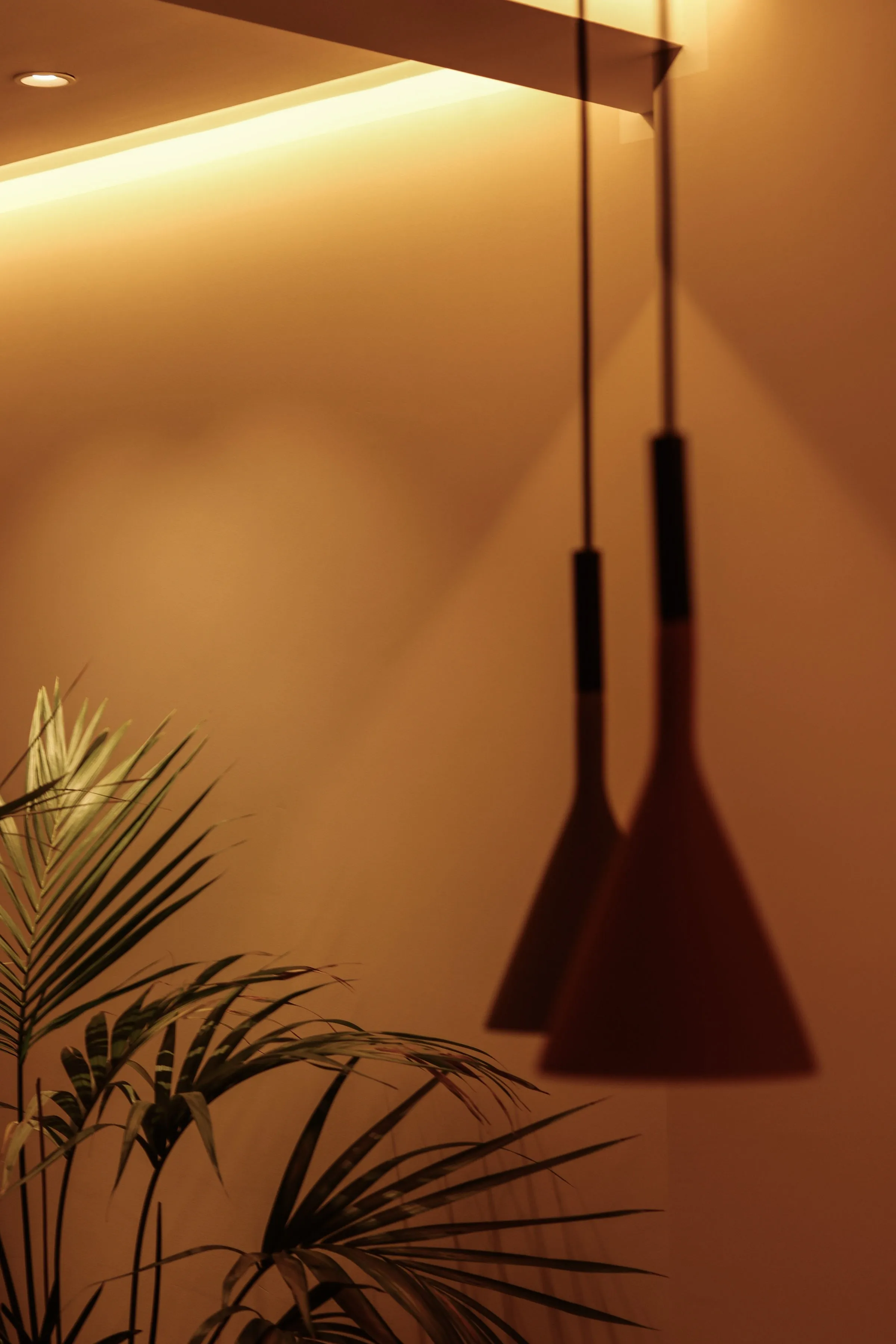
Luminaires appear as objects: sculptural pendants, hand-blown and tinted glass, brass and copper, textile shades and reissued classics.
What it means for design: A statement luminaire is one layer of light, not the whole concept. The technical ambient light stays restrained so that it does not compete with the object, and the connection is placed so that the decorative piece can be replaced in ten years without opening the ceiling.
Our assessment: The shapes change with fashion. The principle of planning decorative luminaires as their own layer remains.
Trend 3: Durable and repairable
Manufacturers showed luminaires that can be dismantled without tools, remanufacturing programmes for used luminaires and products with circularity certification. The trend presentation speaks of material-conscious luminaires with a timeless aesthetic.
What it means for design: When selecting luminaires, what counts is whether LED modules and drivers are replaceable or sealed in. Original products from manufacturers who supply spare parts can be repaired in ten years rather than replaced.
Our assessment: Here to stay and growing in importance, especially in buildings with a long service life such as hotels and offices.
Trend 4: Connected controls, even without new cables
Building technology shaped the 2026 fair more than decorative lighting. On show were systems in which wired DALI networks and wireless networks work together, and solutions that make existing buildings smart without new cabling. Sensors and data analysis are meant to improve maintenance and operation.
What it means for design: The question of controls belongs at the beginning, not the end. In new builds it is defined in the construction drawings; in existing buildings, wireless systems allow lighting scenes without chasing walls.
Our assessment: Here to stay. Many AI-based functions were still concept studies in 2026. What matters is that you can operate your lighting easily.
Trend 5: Outdoor lighting that respects night and nature
Outdoor lighting received particular attention: glare-free luminaires that direct light downwards, controllable systems to reduce light pollution and protection of the night sky. In Germany, some states already regulate this by law; in Baden-Württemberg, for example, facade lighting is prohibited for all buildings from April to September.
What it means for design: Warm white light of no more than 2,700 kelvin, shielded luminaires, light only where it is needed and switch-off times built into the lighting scenes.
Our assessment: Here to stay, as it is partly already mandatory. More on our pages on garden lighting design and architectural lighting.
What lasts and what is fashion?
| Trend | Fashion or lasting? | What it means for your design |
|---|---|---|
| Warm, changing light | lasting | Several layers of light, separately dimmable, plan for warm dimming |
| Luminaires as sculpture | shapes: fashion · principle: lasting | Decorative luminaire as its own layer, connection designed to be replaceable |
| Durable and repairable | lasting, growing | Replaceable modules, original products with spare parts supply |
| Connected controls | lasting | Decide on controls early, retrofit wirelessly in existing buildings |
| Considerate outdoor lighting | lasting, partly mandatory | Max. 2,700 K, shielded, switch-off times built in |
In practice: warm light in layers
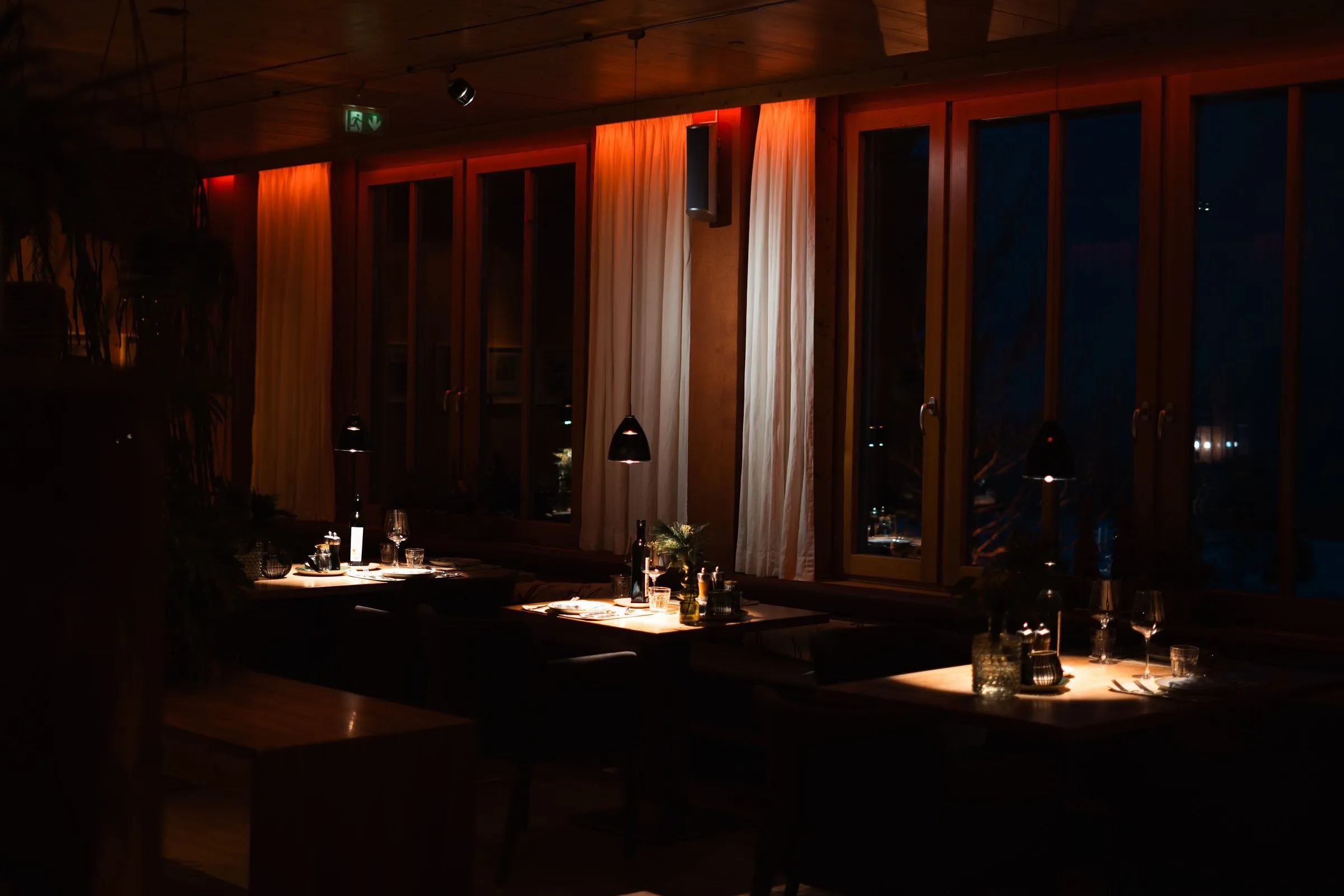
At the hotel and restaurant Die Halde in Oberried, Germany, AK Lichtdesign showed what this approach looks like in operation: warm lighting moods in the restaurant, accent light on materials and architectural details, and soft gradients of light in the spa. Each area has its own mood and yet remains part of an overall concept. See the project
When a lighting designer is worth it for trends
A lighting designer helps you adopt trends so that a space does not look dated in five years. They separate what belongs to the architecture and should last from what can be swapped later.
In our lighting design we define layers of light, dimming groups and controls, independent of manufacturers. For hotels and restaurants, our page on hotel and restaurant lighting design shows how lighting scenes are planned through the day. For a first assessment of your plans, book a free lighting consultation.
Frequently asked questions
Frequently asked questions
What are the lighting trends for 2026?
Warm light that changes through the day, sculptural luminaires made of glass, metal and textiles, durable and repairable technology, connected lighting controls and outdoor lighting that protects the night sky and nature. This is what Light + Building in Frankfurt showed in March 2026.
Which colour temperature is on trend in 2026?
Warm light. Around 2,700 kelvin is common in living spaces, and in the evening luminaires that become warmer as they dim create a candle-like mood. Cool white light remains reserved for working areas.
Which light fittings are modern in 2026?
Sculptural pendants and wall lights, hand-blown or tinted glass, brass and copper, textile shades and reissued design classics. Which of them suits a room depends on the architecture and interior, not on the catalogue.
Is smart lighting control worth it?
When several layers of light work together in a room, yes: one scene recalls what would otherwise need five switches. In existing buildings, many systems can now be retrofitted wirelessly without new cables. For a single room with few luminaires, a good dimmer is often enough.
About the author
Andreas Kistner
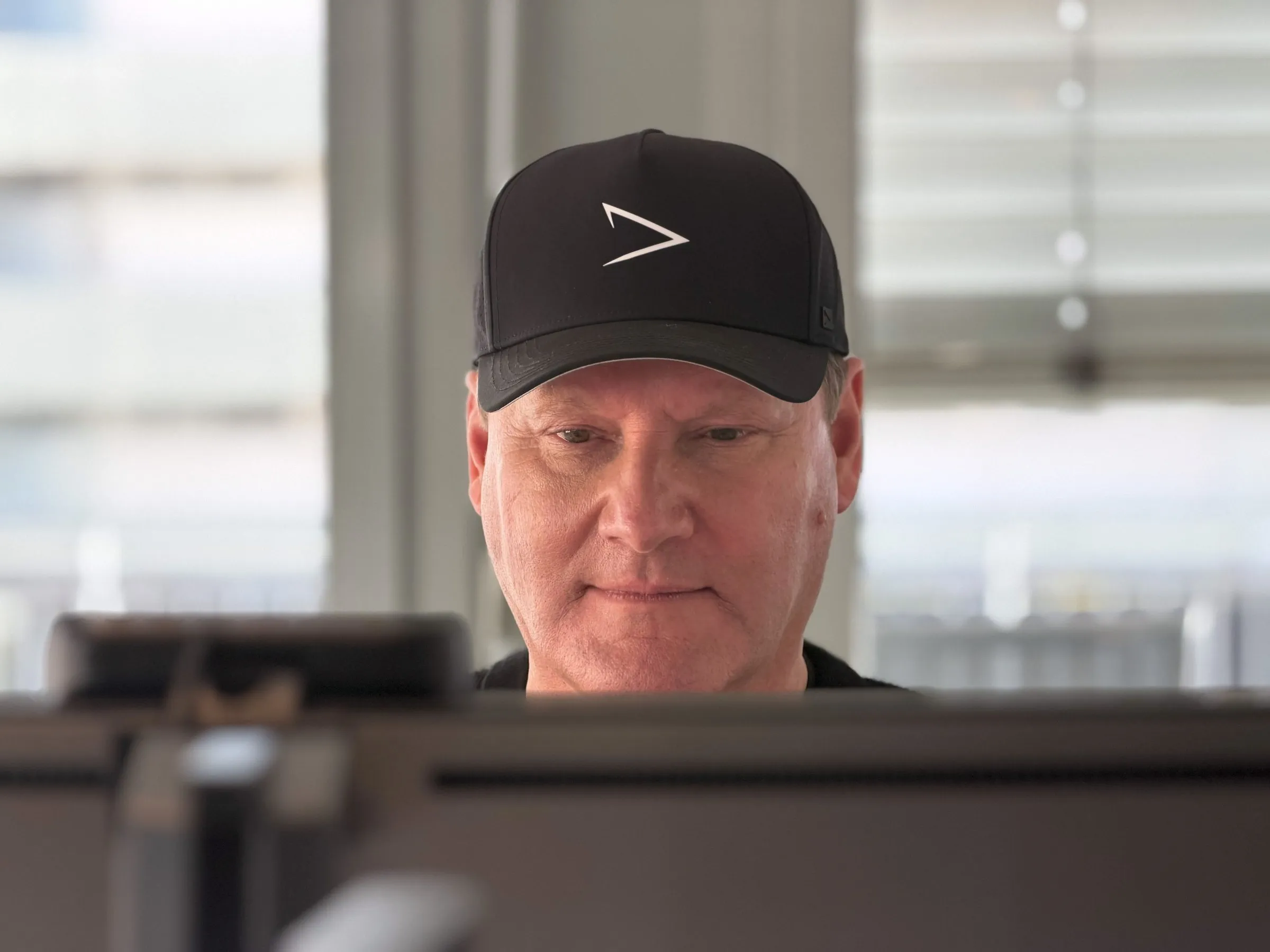
Andreas Kistner is a lighting designer and owner of AK Lichtdesign in Offenburg, Germany. With more than 30 years of experience and over 500 international projects, he designs lighting for private homes, architecture, hotels and restaurants, from concept to final acceptance.
More about AK Lichtdesign →Free project call
Planning a project? Let's talk.
By video, by phone or in our showroom in Offenburg. After your enquiry, we will get back to you with suggested dates.
- Phone
- +49 781 12559932
- Showroom
- Franz-Volk-Straße 5A, 77652 Offenburg, Germany