Insights
The Top 5 Lighting Trends for 2026 – what's currently in vogue
The world of lighting is evolving rapidly – new technologies, design ideas, and sustainability aspects are shaping the industry.
In 2026, the following trends are particularly in focus:
1. Smart lighting control
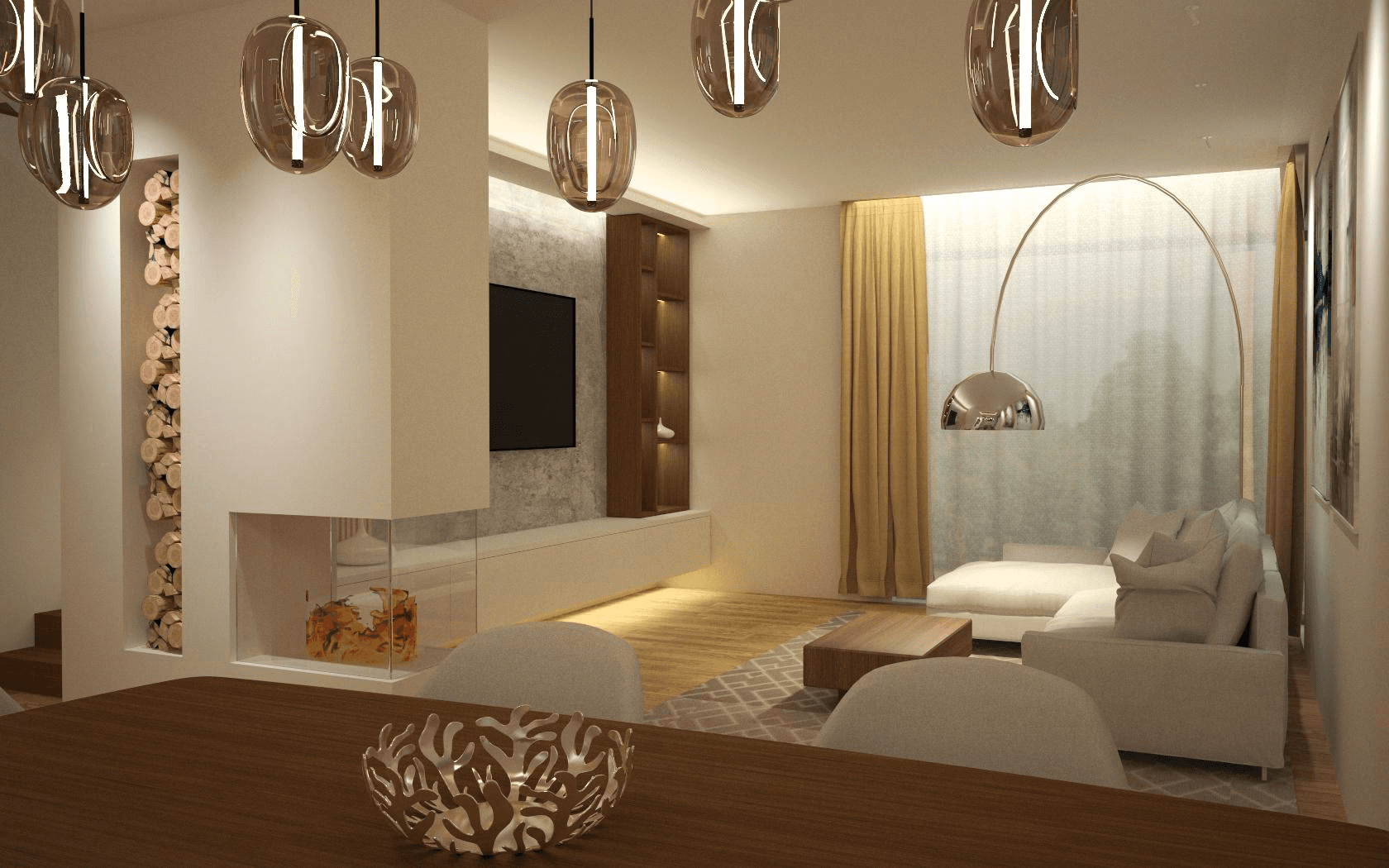
Modern lighting systems can be controlled flexibly – via app, voice command, or automation. This allows light to adapt dynamically to the time of day, room activity, or personal preferences. A living room can provide cool light for energy in the morning and warm light for relaxation in the evening.
2. Minimalist luminaires
Sleek, reduced design without unnecessary frills is on trend. The luminaires appear almost like sculptures and blend harmoniously into the space without being intrusive.
3. Color variety through LED technology
LEDs that can change color seamlessly open up entirely new possibilities for lighting design. Whether atmospheric sunset red or dynamic blue for events – the color selection has a major influence on the atmosphere.
4. Sustainability and energy efficiency
Energy-efficient LEDs, durable materials, and recyclable components are not only ecologically sensible, but often aesthetically appealing as well. Sustainable design is both a trend and a responsibility.
5. Dynamic architectural lighting
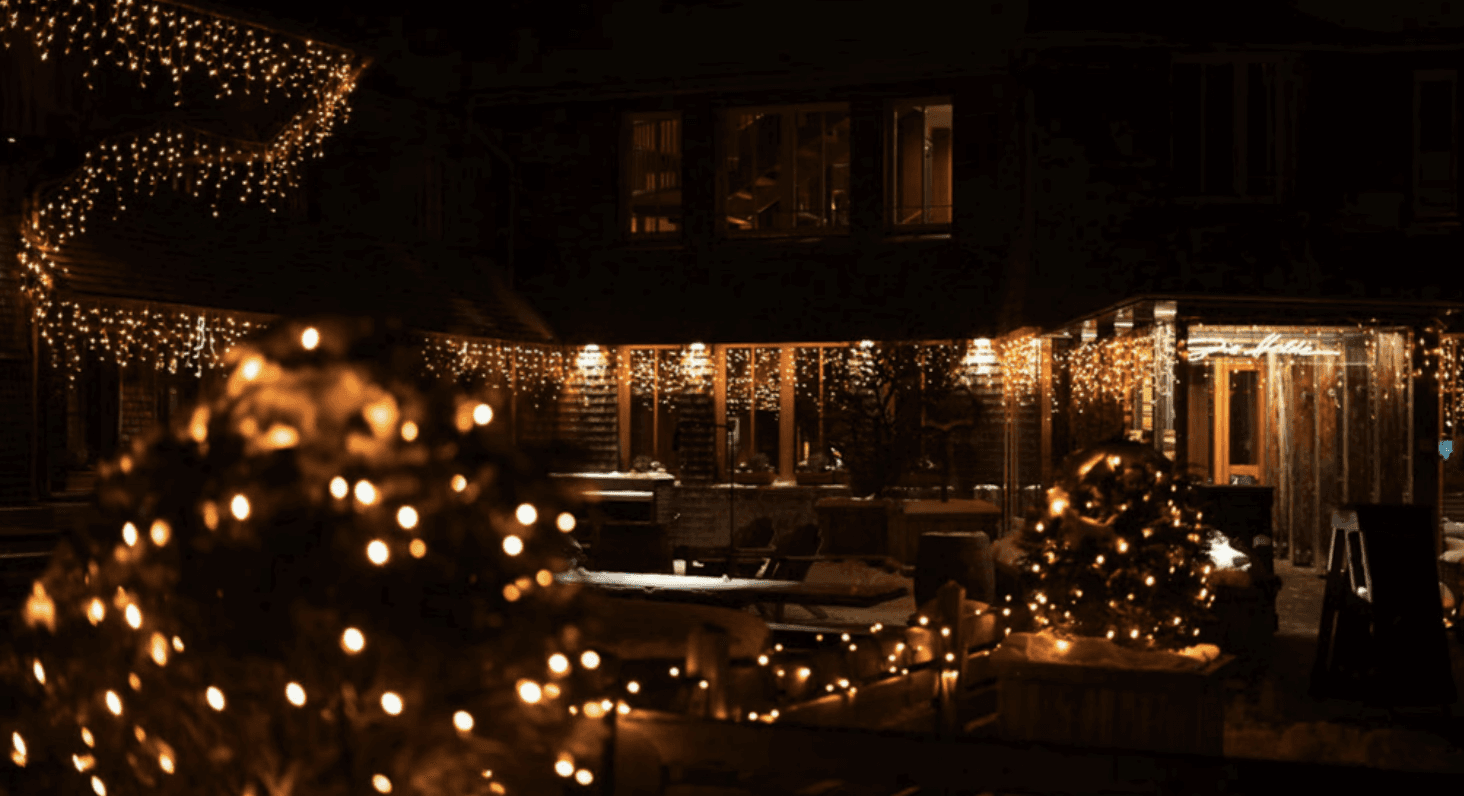
Facades, bridges, or public squares become works of art through light. Movement, color changes, and light effects create a visual narrative and attract attention.
Conclusion:
Lighting design in 2026 combines aesthetics, technology, and sustainability. Those who showcase spaces in the right light are investing not just in illumination, but in experience, impact, and modern staging.
The world of lighting is evolving rapidly – new technologies, design ideas, and sustainability aspects are shaping the industry.
In 2026, the following trends are particularly in focus:
1. Smart lighting control
Modern lighting systems can be controlled flexibly – via app, voice command, or automation. This allows light to adapt dynamically to the time of day, room activity, or personal preferences. A living room can provide cool light for energy in the morning and warm light for relaxation in the evening.
2. Minimalist luminaires
Sleek, reduced design without unnecessary frills is on trend. The luminaires appear almost like sculptures and blend harmoniously into the space without being intrusive.
3. Color variety through LED technology
LEDs that can change color seamlessly open up entirely new possibilities for lighting design. Whether atmospheric sunset red or dynamic blue for events – the color selection has a major influence on the atmosphere.
4. Sustainability and energy efficiency
Energy-efficient LEDs, durable materials, and recyclable components are not only ecologically sensible, but often aesthetically appealing as well. Sustainable design is both a trend and a responsibility.
5. Dynamic architectural lighting
Facades, bridges, or public squares become works of art through light. Movement, color changes, and light effects create a visual narrative and attract attention.
Conclusion:
Lighting design in 2026 combines aesthetics, technology, and sustainability. Those who showcase spaces in the right light are investing not just in illumination, but in experience, impact, and modern staging.
Insights
The Top 5 Lighting Trends for 2026 – what's currently in vogue
The world of lighting is evolving rapidly – new technologies, design ideas, and sustainability aspects are shaping the industry.
In 2026, the following trends are particularly in focus:
1. Smart lighting control
Modern lighting systems can be controlled flexibly – via app, voice command, or automation. This allows light to adapt dynamically to the time of day, room activity, or personal preferences. A living room can provide cool light for energy in the morning and warm light for relaxation in the evening.
2. Minimalist luminaires
Sleek, reduced design without unnecessary frills is on trend. The luminaires appear almost like sculptures and blend harmoniously into the space without being intrusive.
3. Color variety through LED technology
LEDs that can change color seamlessly open up entirely new possibilities for lighting design. Whether atmospheric sunset red or dynamic blue for events – the color selection has a major influence on the atmosphere.
4. Sustainability and energy efficiency
Energy-efficient LEDs, durable materials, and recyclable components are not only ecologically sensible, but often aesthetically appealing as well. Sustainable design is both a trend and a responsibility.
5. Dynamic architectural lighting
Facades, bridges, or public squares become works of art through light. Movement, color changes, and light effects create a visual narrative and attract attention.
Conclusion:
Lighting design in 2026 combines aesthetics, technology, and sustainability. Those who showcase spaces in the right light are investing not just in illumination, but in experience, impact, and modern staging.
The world of lighting is evolving rapidly – new technologies, design ideas, and sustainability aspects are shaping the industry.
In 2026, the following trends are particularly in focus:
1. Smart lighting control
Modern lighting systems can be controlled flexibly – via app, voice command, or automation. This allows light to adapt dynamically to the time of day, room activity, or personal preferences. A living room can provide cool light for energy in the morning and warm light for relaxation in the evening.
2. Minimalist luminaires
Sleek, reduced design without unnecessary frills is on trend. The luminaires appear almost like sculptures and blend harmoniously into the space without being intrusive.
3. Color variety through LED technology
LEDs that can change color seamlessly open up entirely new possibilities for lighting design. Whether atmospheric sunset red or dynamic blue for events – the color selection has a major influence on the atmosphere.
4. Sustainability and energy efficiency
Energy-efficient LEDs, durable materials, and recyclable components are not only ecologically sensible, but often aesthetically appealing as well. Sustainable design is both a trend and a responsibility.
5. Dynamic architectural lighting
Facades, bridges, or public squares become works of art through light. Movement, color changes, and light effects create a visual narrative and attract attention.
Conclusion:
Lighting design in 2026 combines aesthetics, technology, and sustainability. Those who showcase spaces in the right light are investing not just in illumination, but in experience, impact, and modern staging.