Insights
Lighting design for events: This makes every event unforgettable
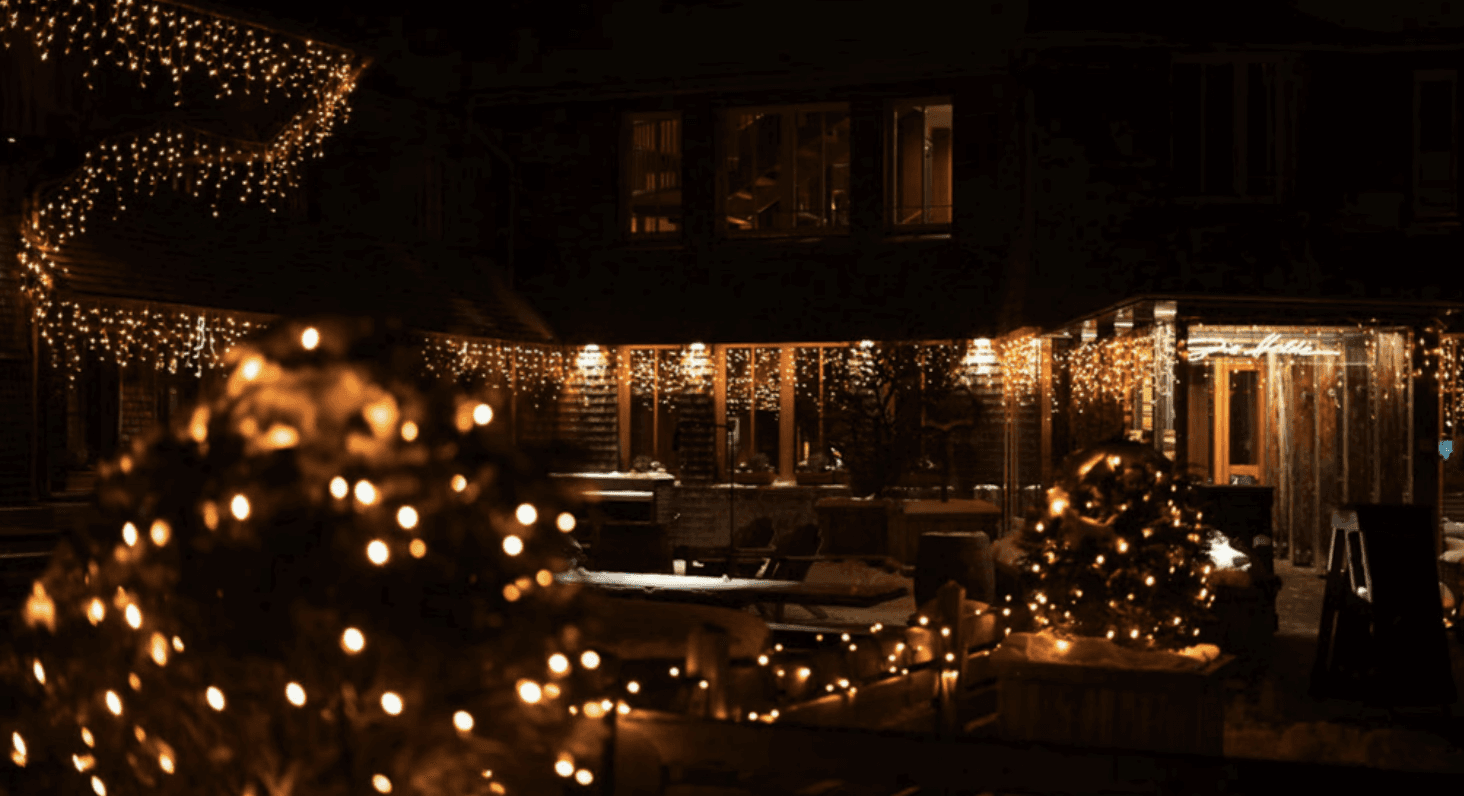
Whether a stage, exhibition hall, or private celebration – light determines how an event is perceived. When used correctly, light creates tension, emotion, and atmosphere.
The Drama of Light
Like a play, light tells stories: it directs the gaze, highlights peaks, and emphasizes moments. A perfectly staged lighting scene can make the difference between 'simply nice' and 'unforgettable.'
Accent Lighting and Ambient Lighting
General light: provides orientation and safety but should not be too dominant.
Accent light: highlights important areas, e.g., stage, bar, or main attractions.
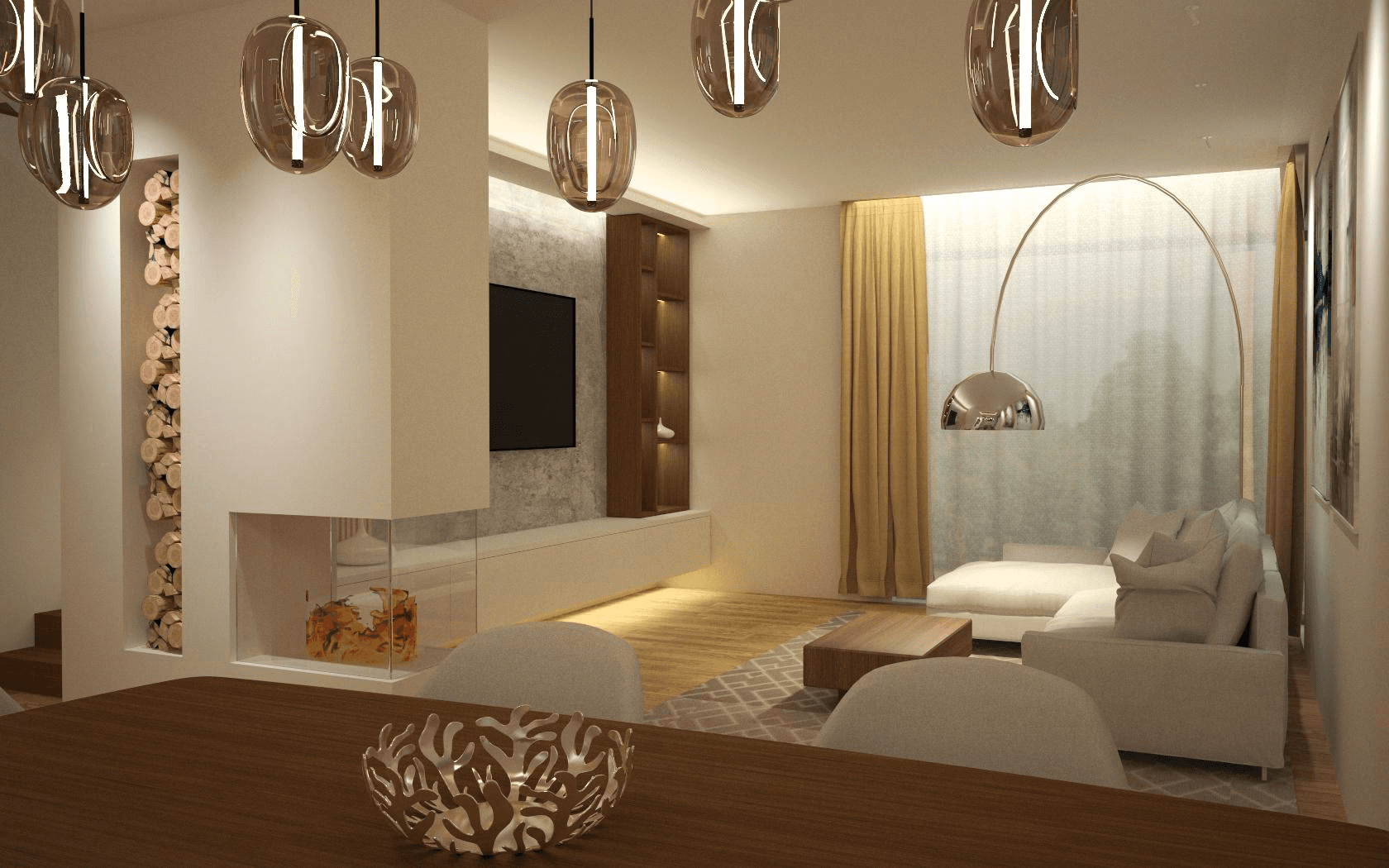
Ambient lighting: creates atmosphere, e.g., colored walls, indirect spotlights, or light projections.
Practical Tips for Events
Use color moods intentionally – warm colors appear inviting, while cool colors activate.
Utilize contrasts and shadows – depth creates tension and drama.
Consider sight lines – not everything needs to be perfectly visible from every point; strategically placing highlights is sufficient.
Conclusion:
Light transforms events into experiences. Those who focus on the right combination of technology, creativity, and planning will be remembered and will impress guests sustainably.
Whether a stage, exhibition hall, or private celebration – light determines how an event is perceived. When used correctly, light creates tension, emotion, and atmosphere.
The Drama of Light
Like a play, light tells stories: it directs the gaze, highlights peaks, and emphasizes moments. A perfectly staged lighting scene can make the difference between 'simply nice' and 'unforgettable.'
Accent Lighting and Ambient Lighting
General light: provides orientation and safety but should not be too dominant.
Accent light: highlights important areas, e.g., stage, bar, or main attractions.
Ambient lighting: creates atmosphere, e.g., colored walls, indirect spotlights, or light projections.
Practical Tips for Events
Use color moods intentionally – warm colors appear inviting, while cool colors activate.
Utilize contrasts and shadows – depth creates tension and drama.
Consider sight lines – not everything needs to be perfectly visible from every point; strategically placing highlights is sufficient.
Conclusion:
Light transforms events into experiences. Those who focus on the right combination of technology, creativity, and planning will be remembered and will impress guests sustainably.
Insights
Lighting design for events: This makes every event unforgettable
Whether a stage, exhibition hall, or private celebration – light determines how an event is perceived. When used correctly, light creates tension, emotion, and atmosphere.
The Drama of Light
Like a play, light tells stories: it directs the gaze, highlights peaks, and emphasizes moments. A perfectly staged lighting scene can make the difference between 'simply nice' and 'unforgettable.'
Accent Lighting and Ambient Lighting
General light: provides orientation and safety but should not be too dominant.
Accent light: highlights important areas, e.g., stage, bar, or main attractions.
Ambient lighting: creates atmosphere, e.g., colored walls, indirect spotlights, or light projections.
Practical Tips for Events
Use color moods intentionally – warm colors appear inviting, while cool colors activate.
Utilize contrasts and shadows – depth creates tension and drama.
Consider sight lines – not everything needs to be perfectly visible from every point; strategically placing highlights is sufficient.
Conclusion:
Light transforms events into experiences. Those who focus on the right combination of technology, creativity, and planning will be remembered and will impress guests sustainably.
Whether a stage, exhibition hall, or private celebration – light determines how an event is perceived. When used correctly, light creates tension, emotion, and atmosphere.
The Drama of Light
Like a play, light tells stories: it directs the gaze, highlights peaks, and emphasizes moments. A perfectly staged lighting scene can make the difference between 'simply nice' and 'unforgettable.'
Accent Lighting and Ambient Lighting
General light: provides orientation and safety but should not be too dominant.
Accent light: highlights important areas, e.g., stage, bar, or main attractions.
Ambient lighting: creates atmosphere, e.g., colored walls, indirect spotlights, or light projections.
Practical Tips for Events
Use color moods intentionally – warm colors appear inviting, while cool colors activate.
Utilize contrasts and shadows – depth creates tension and drama.
Consider sight lines – not everything needs to be perfectly visible from every point; strategically placing highlights is sufficient.
Conclusion:
Light transforms events into experiences. Those who focus on the right combination of technology, creativity, and planning will be remembered and will impress guests sustainably.